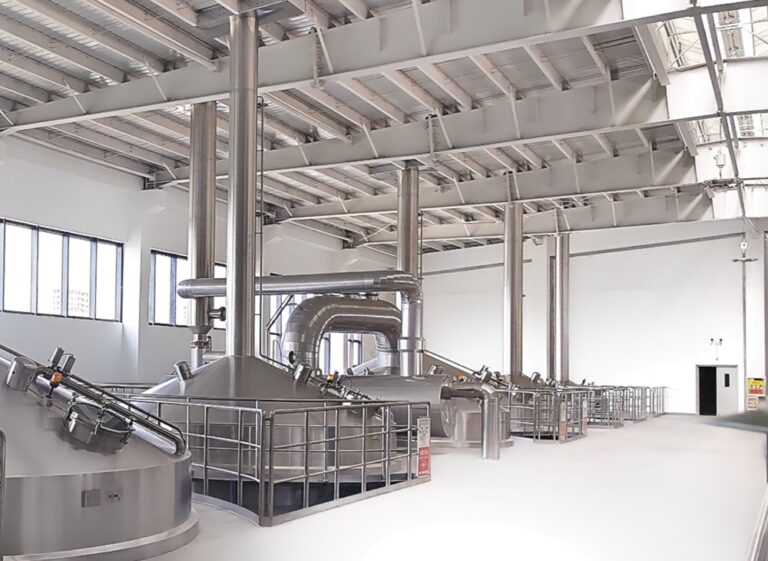
健全な酵母は、あらゆる優れたビールの基礎です。醸造設備や発酵システムがどれほど高度であっても、酵母の管理が不十分だと、発酵の遅延、異臭、発酵度の一貫性の欠如、そしてビールの品質低下を招く恐れがあります。.
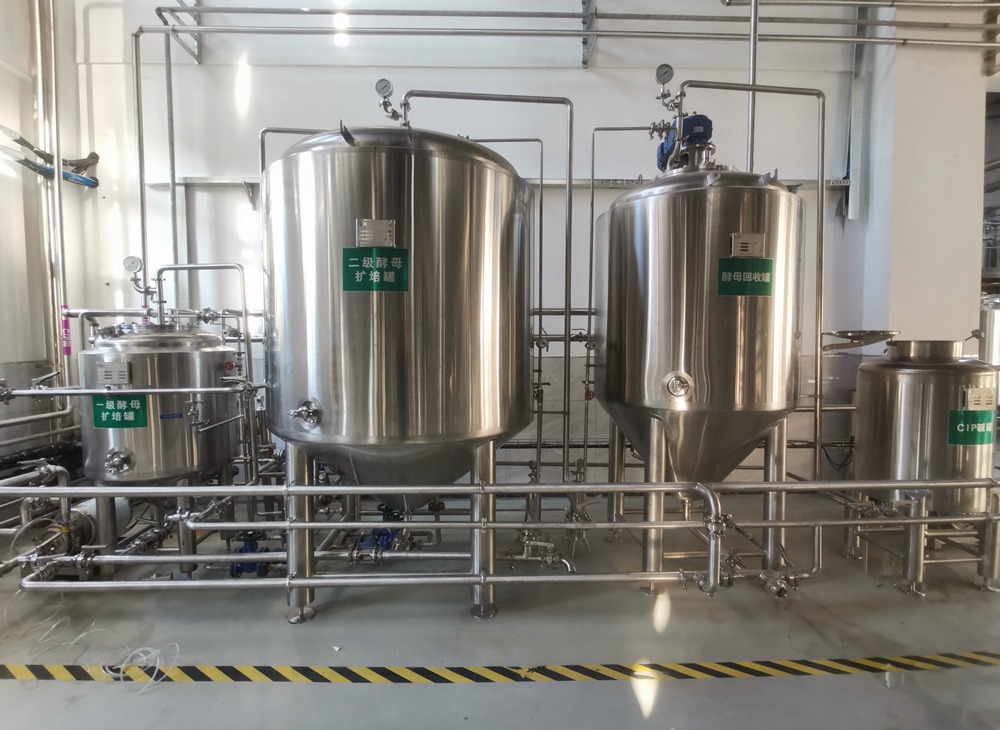
酵母を数世代にわたり再利用したり、商業規模でビールを製造したりする醸造所にとって、酵母培養タンク(酵母活性化タンク)は不可欠な設備です。このタンクは、酵母細胞を発酵槽に投入する前に、無菌かつ管理された環境下で活性化・増殖させることを可能にします。.
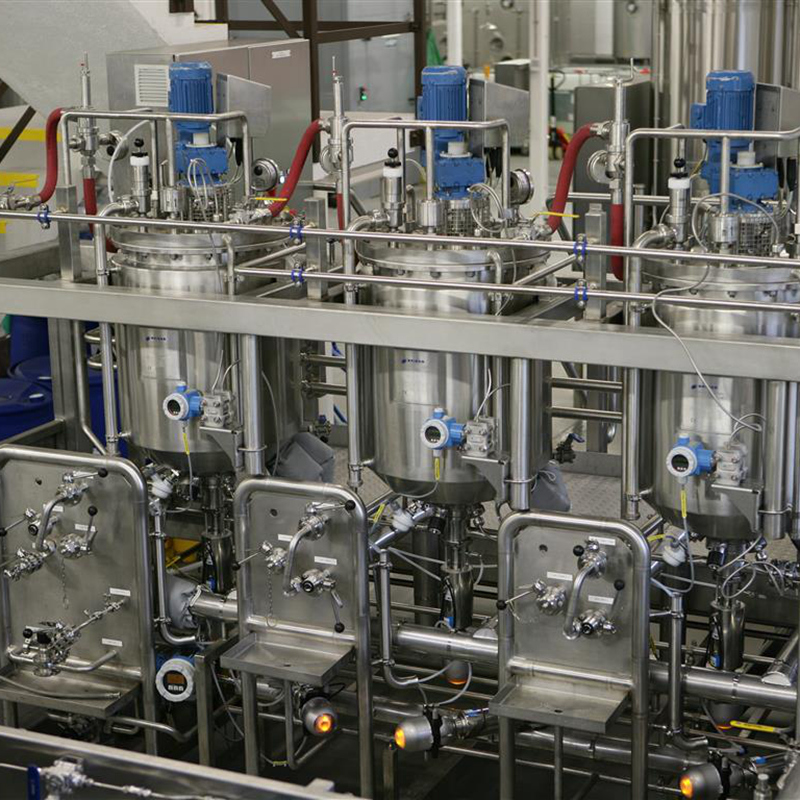
酵母培養タンクはどのように機能するのでしょうか?
The process typically includes the following steps:
Step 1. Tank Sterilization
Before use, the tank is thoroughly cleaned using the CIP system and sterilized with steam or hot water.
Maintaining sterility is critical because bacteria can easily outgrow yeast during propagation.
Step 2. Filling Sterile Wort
Low-gravity wort (typically **6–10°P**) is transferred into the propagation tank.
This wort serves as the nutrient source for yeast growth.
Step 3. Cooling
The wort is cooled to the yeast propagation temperature.
Typical temperatures are:
* Ale yeast: 18–22°C
* Lager yeast: 10–14°C
Step 4. Oxygenation
Unlike beer fermentation, yeast propagation requires oxygen.
Sterile air or pure oxygen is introduced through a sanitary diffuser to encourage cell reproduction.
Dissolved oxygen is one of the most important factors affecting yeast growth.
Step 5. Yeast Inoculation
The initial yeast culture is added under sanitary conditions.
Many breweries start from:
* Laboratory yeast cultures
* Commercial liquid yeast
* Previous generation harvested yeast
Step 6. Propagation
The yeast reproduces under controlled conditions.
The tank maintains:
* Constant temperature
* Gentle agitation
* Sterile airflow
* Positive pressure
Propagation generally lasts **12–36 hours**, depending on the desired cell count.
Step 7. Transfer to Fermenter
After reaching the target cell density, the activated yeast is transferred directly into the fermentation tank through sanitary pipelines.
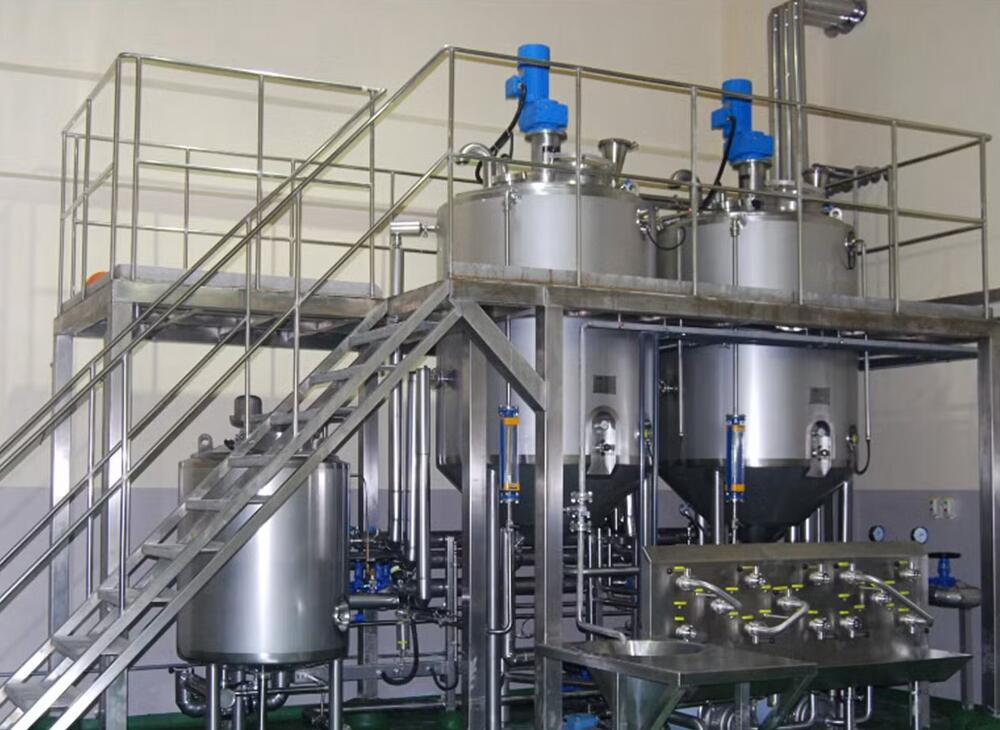
TIANTAI designs and manufactures **custom yeast propagation systems** for craft breweries, industrial breweries, and beverage producers.
新しい醸造所の建設であれ、酵母管理プロセスの刷新であれ、TIANTAIは、酵母の性能を最大限に引き出し、安定したビールの品質を確保するための、信頼性の高い設備と専門的なエンジニアリングソリューションを提供します。.
デイジー
Eメール:business@cnbrewery.com